Bardal Factors applicable
The applicability of Bardal Factors in unionized workplaces is a subject that often generates debate within employment law circles. Bardal Factors, which originated from the landmark Canadian case Bardal v. Globe & Mail Ltd., are traditionally used to determine reasonable notice or pay in lieu of notice in wrongful dismissal cases under common law. These factors consider the employee’s age, length of service, character of employment, and availability of similar employment. However, their role and relevance in unionized workplaces, where collective agreements govern employment relationships, are somewhat more complex.
In unionized environments, employees’ terms and conditions of employment—including termination and severance—are typically regulated by collective agreements negotiated between the union and the employer. These agreements often contain specific provisions relating to notice periods, severance pay, grievance procedures, and dispute resolution mechanisms. Because of this, the straightforward application of Bardal Factors, which focus on individual employee circumstances under common law, can be limited or even overridden by the collective agreement terms.
That said, Bardal Factors do not become completely irrelevant in unionized workplaces. In situations where the collective agreement is silent or ambiguous on issues such as reasonable notice or severance entitlements, Bardal Factors may still play a role in interpreting what constitutes fair treatment under the law. Additionally, when disputes arising from a unionized workplace reach arbitration, arbitrators may consider Bardal Factors as persuasive guidelines to assess the fairness of dismissal or severance packages, especially if the collective agreement refers to common law principles or reasonable notice.
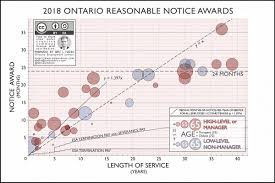
Are Bardal Factors applicable in unionized workplaces?
Moreover, Bardal Factors sometimes influence the broader context in which unionized dismissals are evaluated. While unions often seek to protect employees through negotiated terms, there are cases where the collective agreement might not fully address every aspect of termination. For instance, if a collective agreement does not specify severance pay for layoffs or terminations without cause, courts or arbitrators may refer to Bardal Factors as a benchmark for fairness, ensuring employees receive adequate protection.
It is also important to note that Common law severance for short-service executive primarily address wrongful dismissal where there is a breach of contract or a lack of cause for termination. In unionized settings, the focus often shifts to just cause provisions and whether the employer has followed the agreed-upon disciplinary or dismissal procedures in the collective agreement. If the employer complies with the contractually mandated processes and has just cause, Bardal Factors are less likely to be invoked because the issue of reasonable notice does not arise in the same way it does in non-unionized workplaces.
Furthermore, Bardal Factors can sometimes inform negotiations between unions and employers. Both parties may use these factors as a point of reference to establish fair severance terms in collective bargaining. By considering Bardal Factors, unions can advocate for provisions that reflect the realities of job market conditions, employee age, and service length, aligning negotiated terms with common law standards for reasonable notice.
In conclusion, while Bardal Factors have limited direct applicability in unionized workplaces due to the primacy of collective agreements, they remain an important reference point in certain contexts. They provide guidance when collective agreements are silent or unclear and offer a foundation for fairness in severance negotiations and arbitration. Thus, Bardal Factors coexist with unionized frameworks, complementing rather than replacing the protections that collective agreements afford employees.

+ There are no comments
Add yours